Not every such tumour requires radical treatment, surgery or even advanced robotic surgery or radical radiotherapy. Increasingly, active surveillance of prostate cancer is a sufficient approach — involving regular PSA testing, contrast-enhanced MRI and fusion biopsies. This allows us to monitor disease progression and intervene only when necessary.
MD STEFAN W. CZARNIECKI, FEBU — HEAD OF THE UROLOGY DEPARTMENT, LUX MED CAROLINA HOSPITAL
Complementing active surveillance and the advances in early prostate cancer diagnosis is targeted therapy — treatment directed only at the part of the prostate affected by the tumour.
Among the targeted therapy methods used to treat disease-affected areas, we have until now primarily used HIFU technology, which allowed us to target the zone of the prostate affected by disease — already considered a significant advance, as it reduced the risk of complications compared with conventional radical surgery. A new step in this evolution of treatment has been Targeted Microwave Ablation (TMA) — an innovative method enabling the precise, point-targeted treatment of prostate cancer, i.e. targeting the specific location where the small tumour focus actually lies.
MD, PHD MAREK FILIPEK — UROLOGY SPECIALIST, SENIOR CONSULTANT, LUX MED CAROLINA HOSPITAL
What does TMA involve?
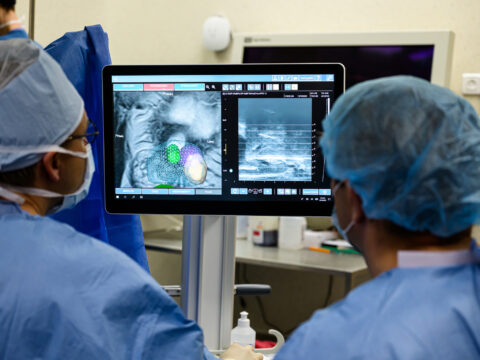
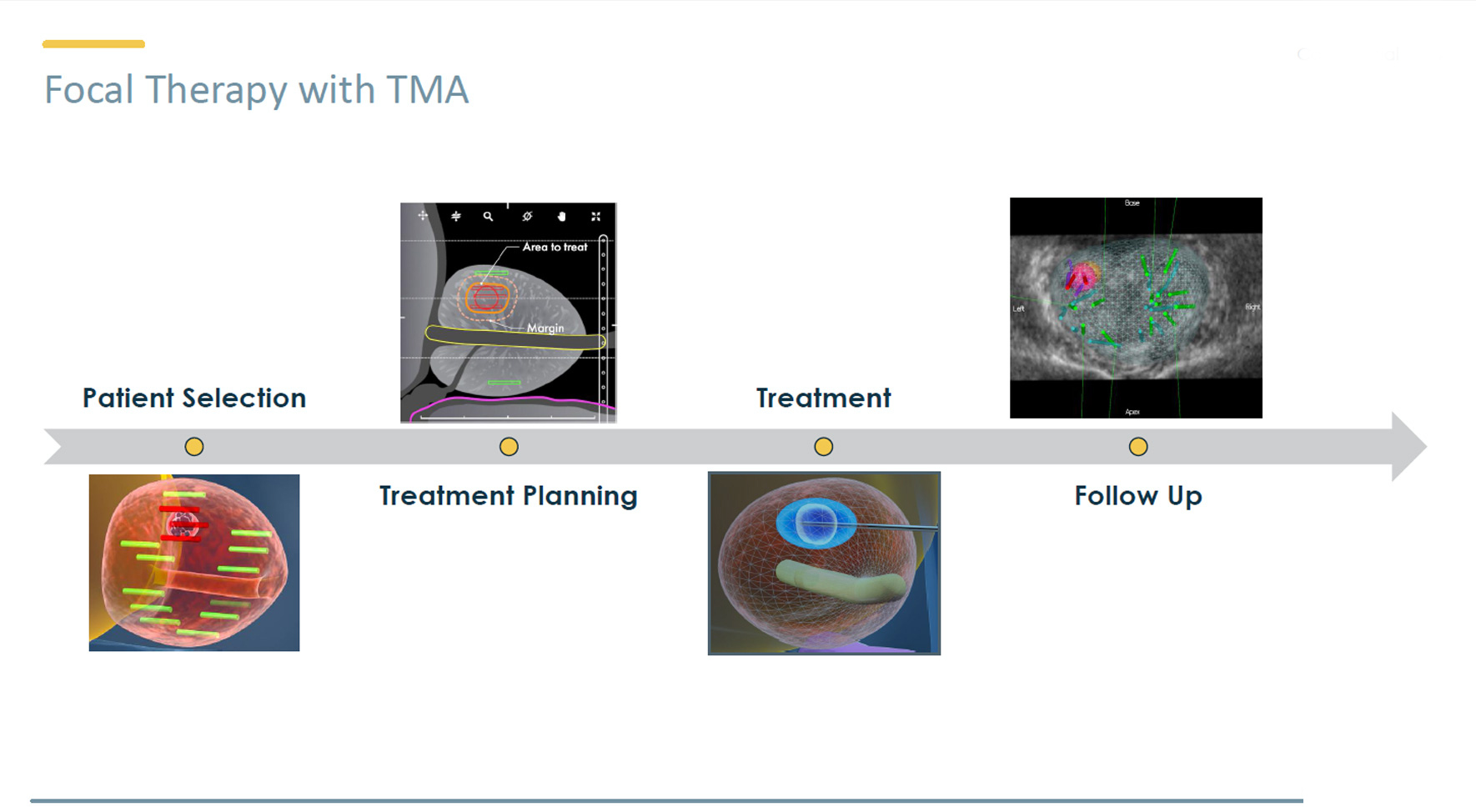
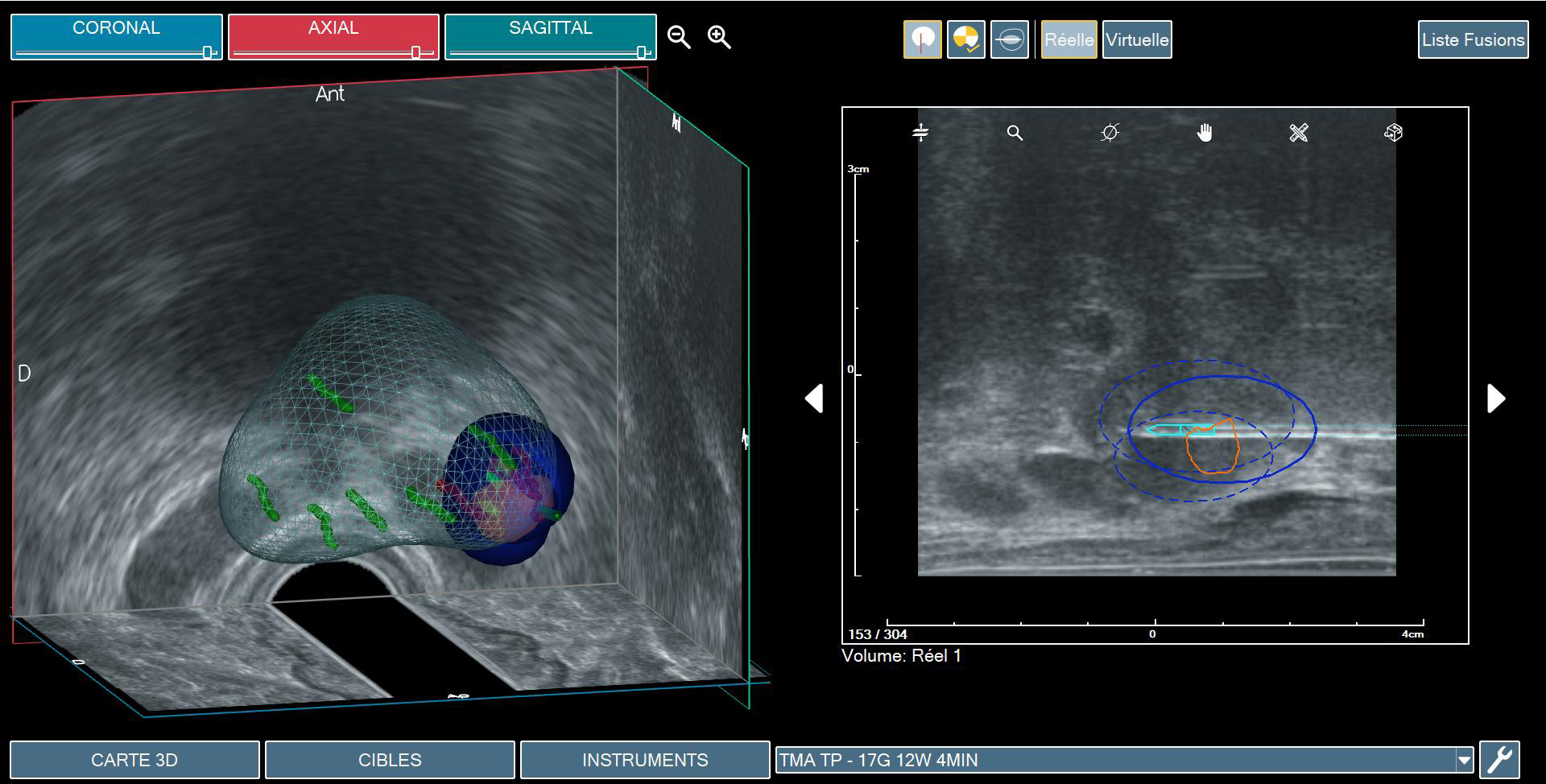
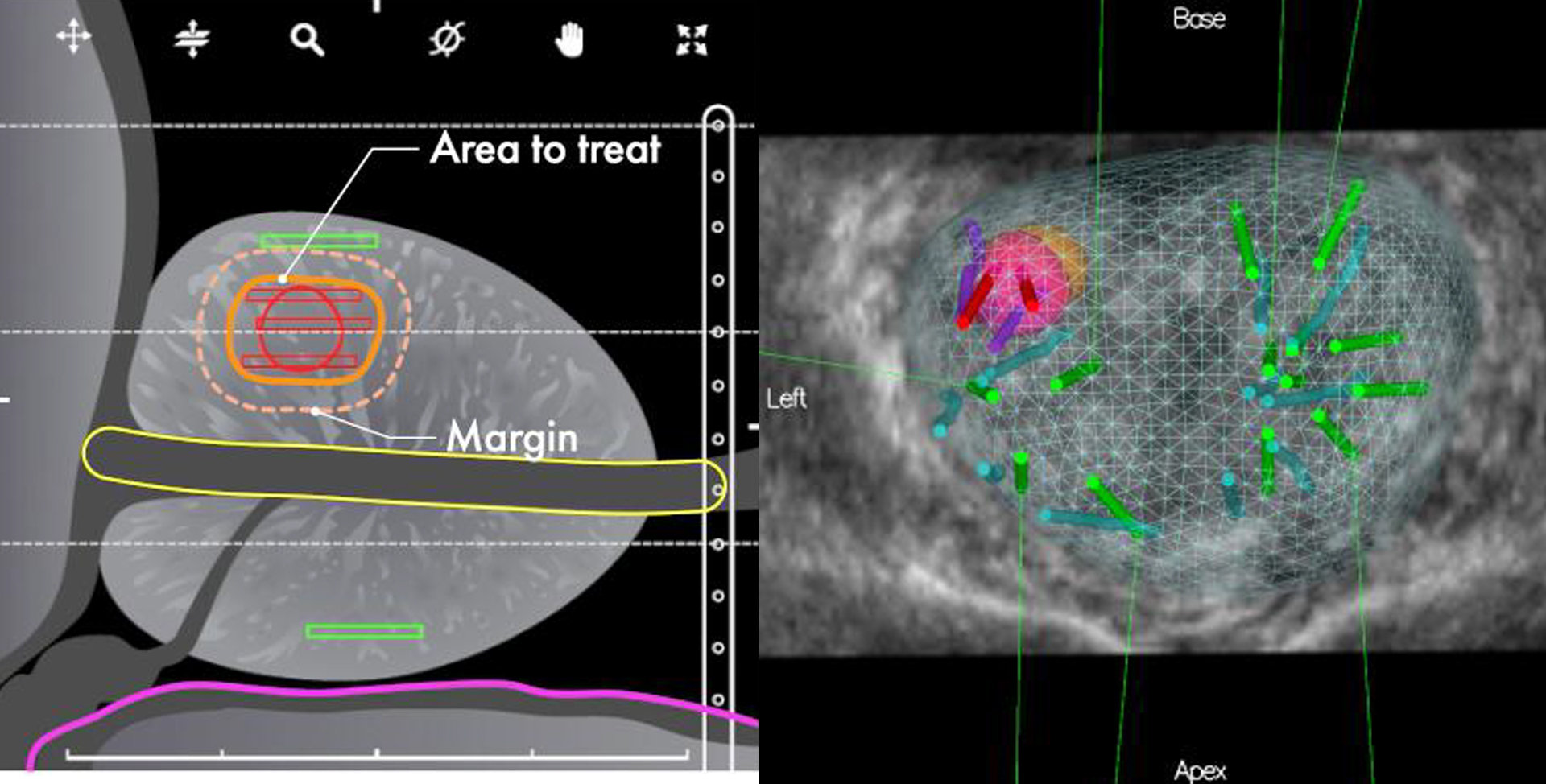
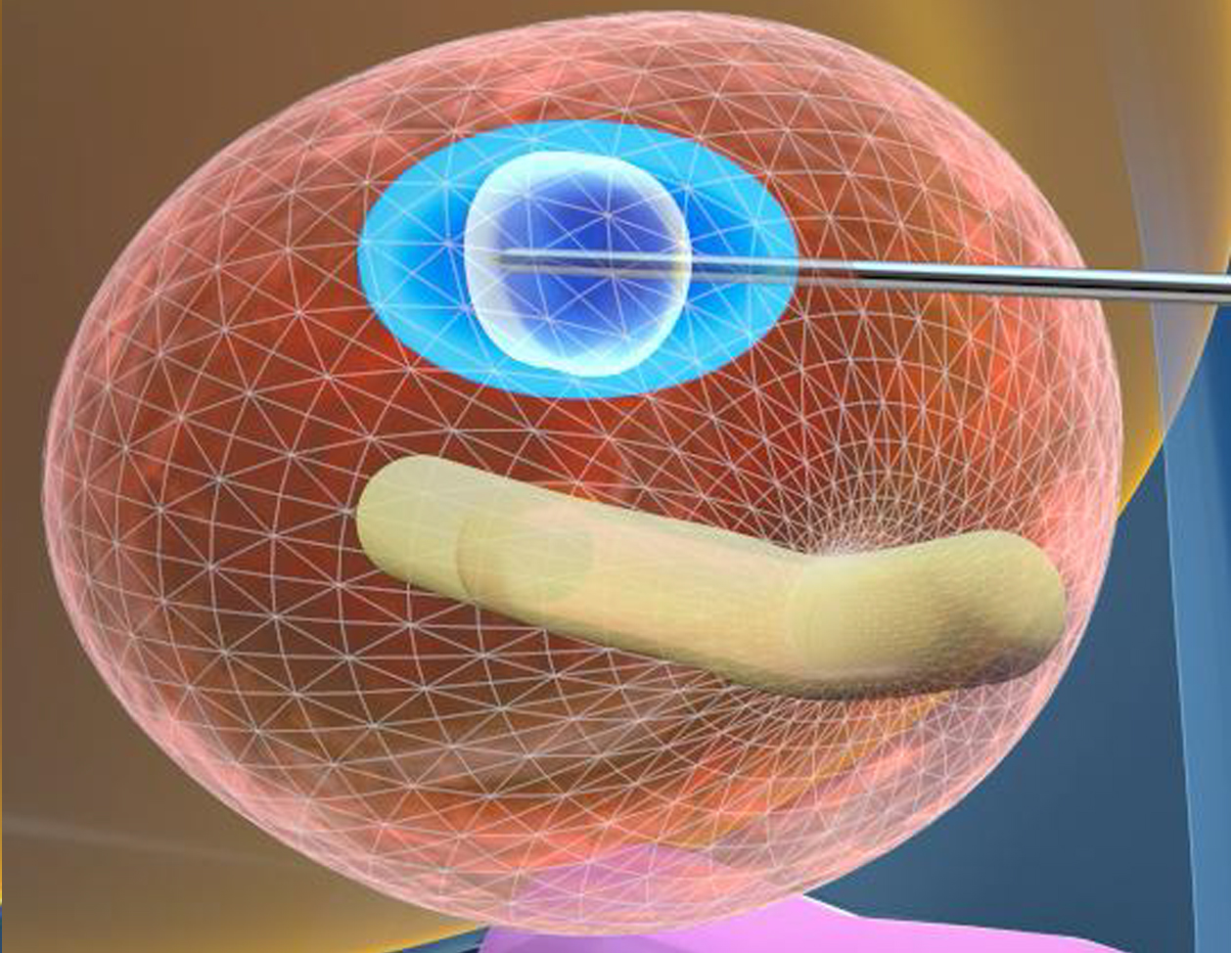
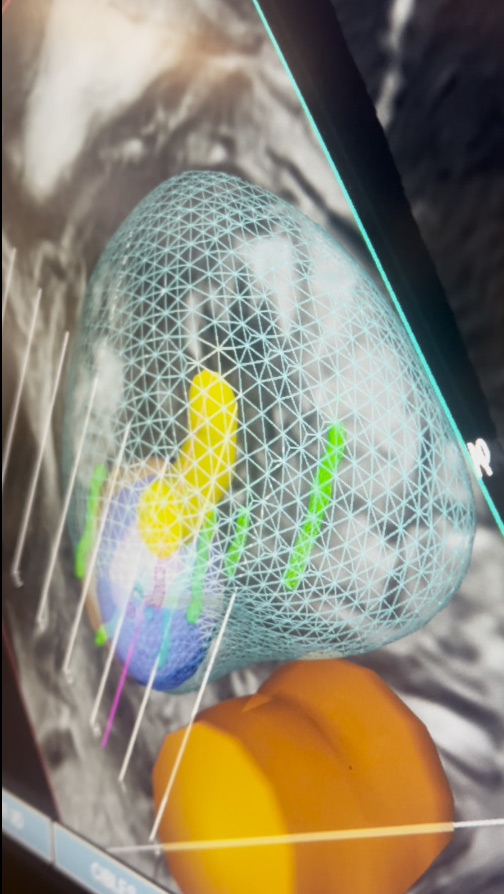
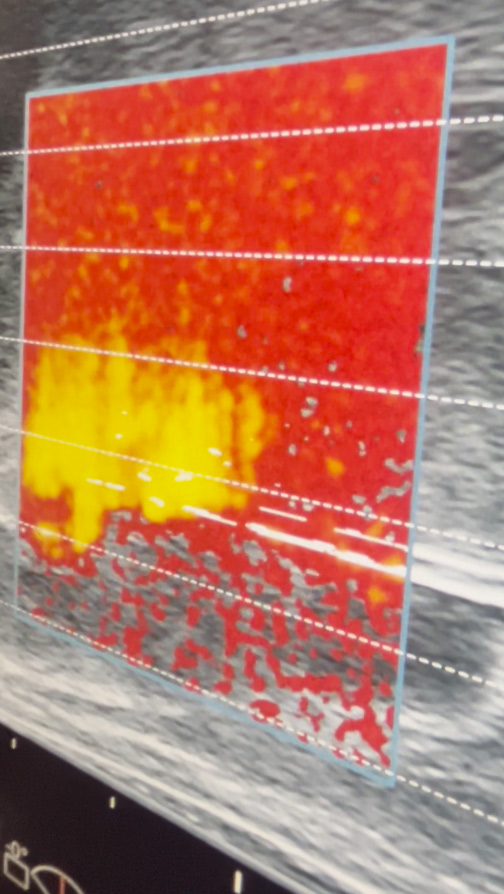
TMA (Targeted Microwave Ablation) is a targeted microwave therapy that uses the same virtual prostate models as those used in fusion biopsy. In practice, this means the physician targets exactly the same point from which the tissue sample was previously taken to establish the diagnosis — but instead of taking a sample, an antenna emitting microwaves is introduced at that point. In this highly precise way, TMA destroys the cancer cells.
The treated area best suited to this method is typically up to 15 mm in diameter. The therapy itself takes only a few minutes, and the entire procedure is completed within one hour.
A single focus or several small lesions within the prostate can be treated. The procedure can be an alternative to active surveillance or complement it — reducing the number of monitoring appointments and biopsies required.









 Celowana Terapia Mikrofalowa Raka Prostaty (TMA)_word LUX MED Szpital Carolina