Targeted Microwave Ablation of Prostate Cancer (TMA) — an innovative treatment method

Modern prostate cancer diagnostics mean that we are increasingly detecting tumours at a very early stage — even a decade earlier in their natural history than was possible just ten years ago. Thanks to MRI and fusion biopsy, statistically speaking, we are today most commonly able to diagnose low- or intermediate-risk prostate cancer, explain MD, PhD Marek Filipek and MD Stefan W. Czarniecki.

Not every such tumour requires radical treatment, surgery or even advanced robotic surgery or radical radiotherapy. Increasingly, active surveillance of prostate cancer is a sufficient approach — involving regular PSA testing, contrast-enhanced MRI and fusion biopsies. This allows us to monitor disease progression and intervene only when necessary.

MD STEFAN W. CZARNIECKI, FEBU — HEAD OF THE UROLOGY DEPARTMENT, LUX MED CAROLINA HOSPITAL

Complementing active surveillance and the advances in early prostate cancer diagnosis is targeted therapy — treatment directed only at the part of the prostate affected by the tumour.

Among the targeted therapy methods used to treat disease-affected areas, we have until now primarily used HIFU technology, which allowed us to target the zone of the prostate affected by disease — already considered a significant advance, as it reduced the risk of complications compared with conventional radical surgery. A new step in this evolution of treatment has been Targeted Microwave Ablation (TMA) — an innovative method enabling the precise, point-targeted treatment of prostate cancer, i.e. targeting the specific location where the small tumour focus actually lies.

MD, PHD MAREK FILIPEK — UROLOGY SPECIALIST, SENIOR CONSULTANT, LUX MED CAROLINA HOSPITAL

What does TMA involve?

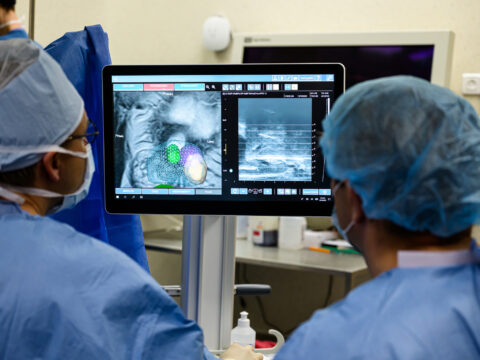
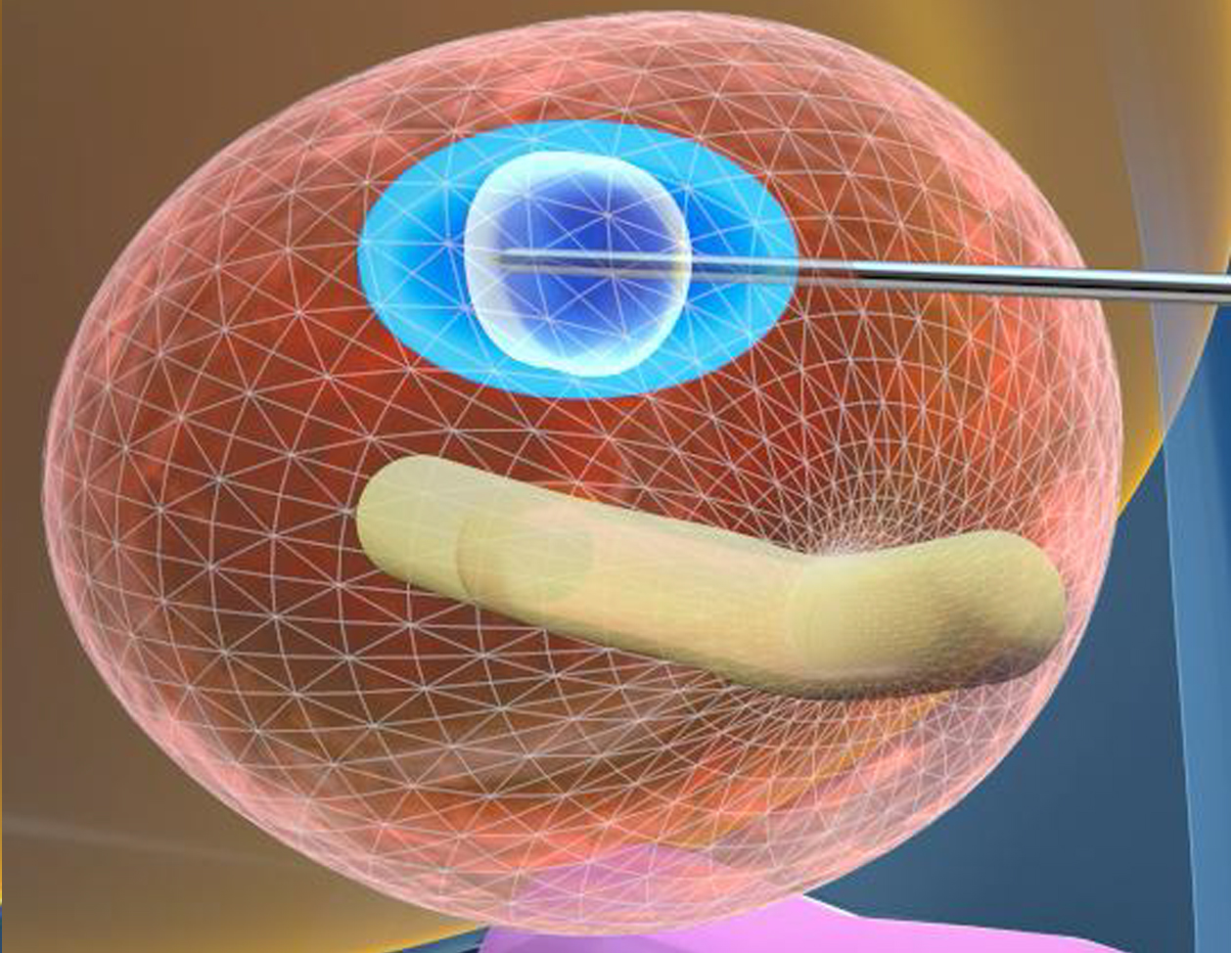
TMA (Targeted Microwave Ablation) is a targeted microwave therapy that uses the same virtual prostate models as those used in fusion biopsy. In practice, this means the physician targets exactly the same point from which the tissue sample was previously taken to establish the diagnosis — but instead of taking a sample, an antenna emitting microwaves is introduced at that point. In this highly precise way, TMA destroys the cancer cells.

The treated area best suited to this method is typically up to 15 mm in diameter. The therapy itself takes only a few minutes, and the entire procedure is completed within one hour.

A single focus or several small lesions within the prostate can be treated. The procedure can be an alternative to active surveillance or complement it — reducing the number of monitoring appointments and biopsies required.


Watch the TMA procedure video

TMA effectiveness and safety

90.5% of patients have negative biopsies at the treated site after TMA. Continued monitoring of the prostate is still necessary, as the tumour may develop in another part of the gland.

TMA is currently the most advanced method available for treating early-stage prostate cancer and addresses the growing questions around the need for radical treatment in all patients.

TMA vs. HIFU — what are the differences?

Until now, HIFU (High Intensity Focused Ultrasound) technology was the most widely used targeted therapy — an ultrasound-based treatment that destroys tissue through localised heating and protein denaturation, and their destruction through the cavitation effect.

The key difference lies in precision and control:

  • HIFU Treats the disease-affected zone of the prostate under ultrasound guidance.
  • TMA Uses data from a previously performed MRI and, under spatial navigation guidance, targets a precisely defined small point — i.e. the cancer focus within the prostate. Treatment is applied only to that specific location, which may represent as little as a few per cent of the entire prostate, but contains the clinically significant cancer.
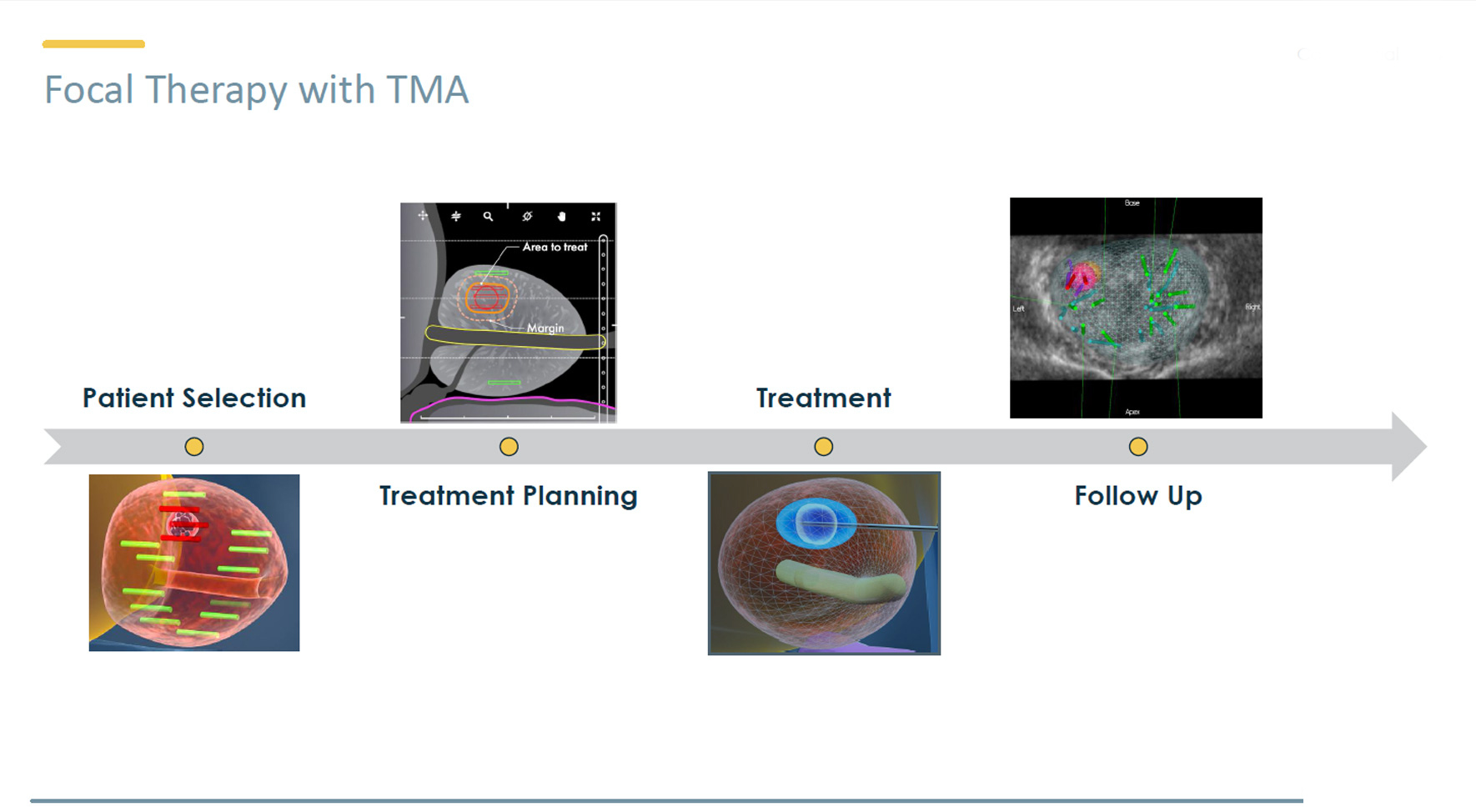
Diagnostic pathway — fusion biopsy, treatment planning, TMA therapy, post-procedure follow-up.

Diagnostic pathway — fusion biopsy, treatment planning, TMA therapy, post-procedure follow-up.

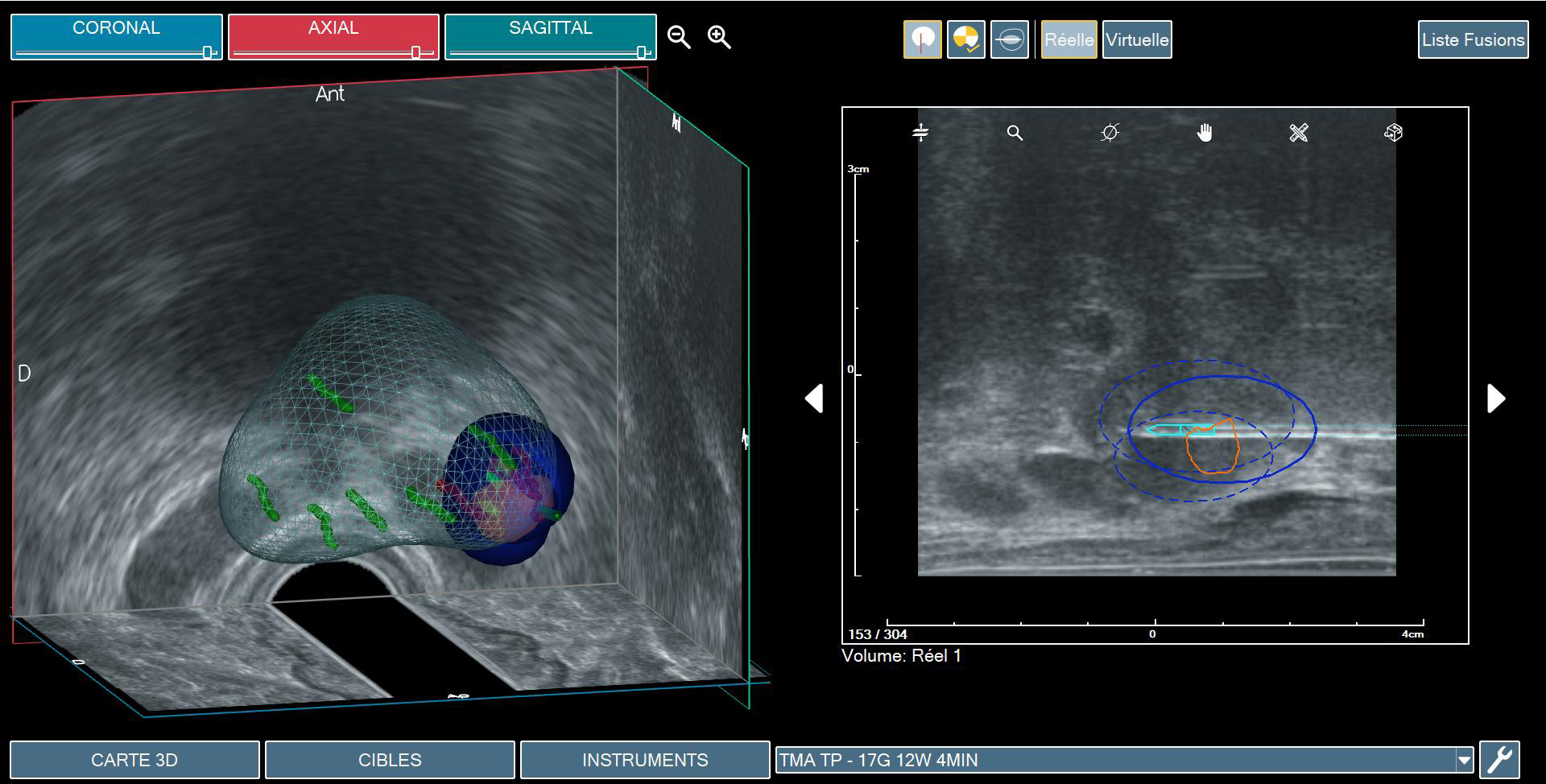
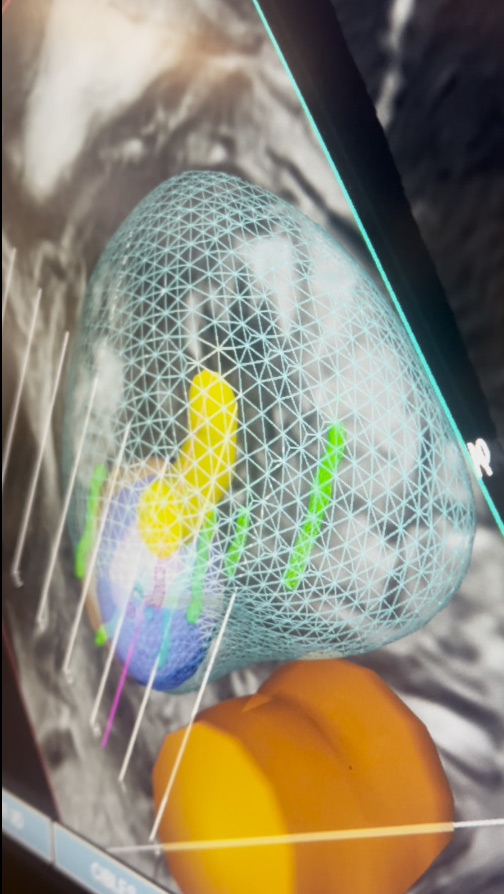
3D prostate reconstruction for TMA treatment of cancer focus in the left lobe.

3D prostate reconstruction for TMA treatment of cancer focus in the left lobe.

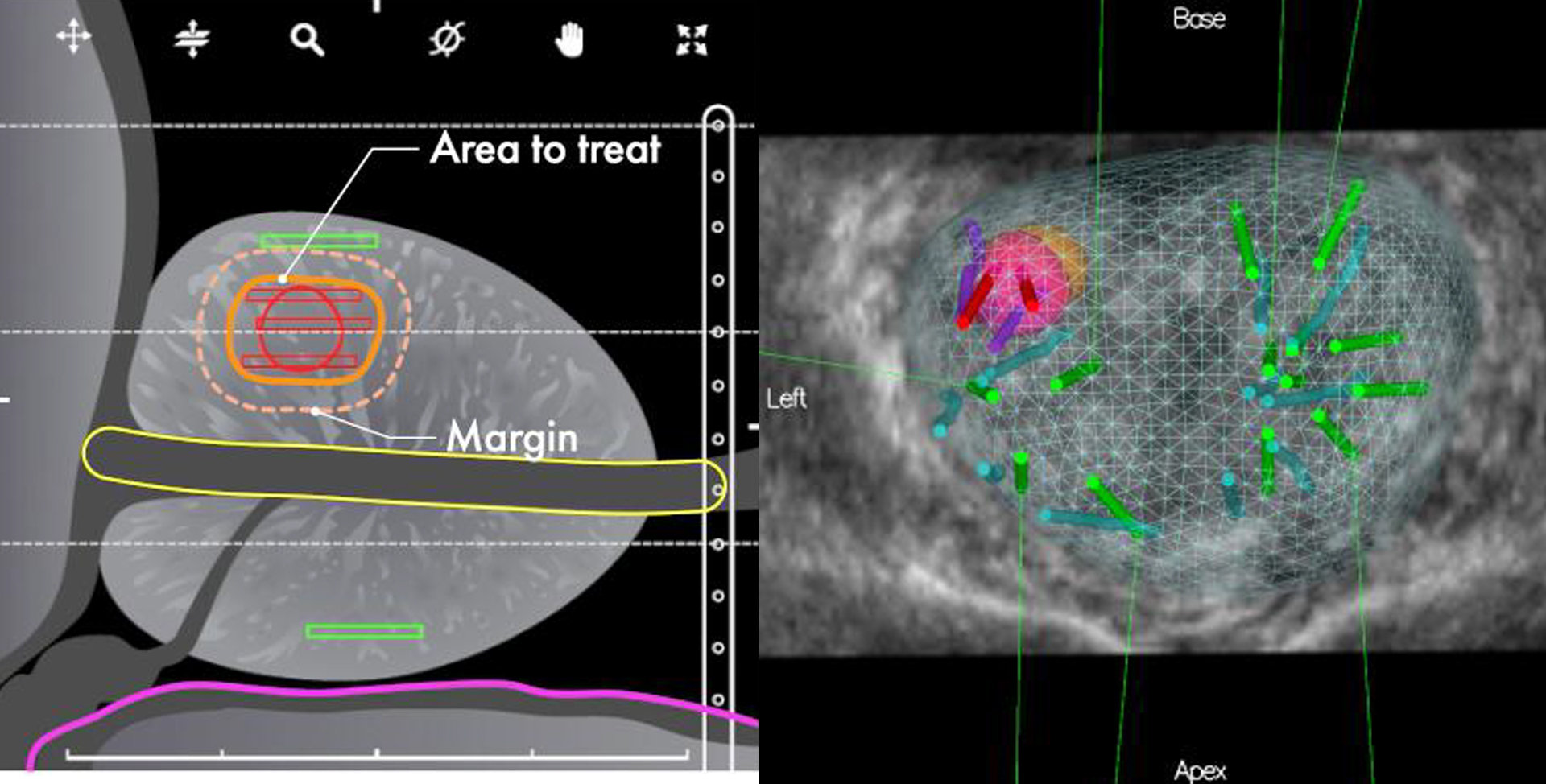
Application of TMA treatment margins against fusion biopsy data.

Application of TMA treatment margins against fusion biopsy data.

Advantages of TMA

  • duration under 1 hour
  • microinvasive — just one or a few needle insertions
  • no catheterisation required
  • safe transperineal access (through the perineal skin)
  • hospital stay of up to 24 hours
  • painless procedure performed under short sedation
  • no need for strong analgesics
  • no antibiotic therapy required
  • rapid recovery — often just a weekend
  • exceptionally low risk of complications such as urinary incontinence or erectile dysfunction
  • the procedure can be repeated if necessary
  • the option to continue with a different treatment method in the future

Thanks to its exceptional precision and point-targeted action, TMA enables the selective destruction of cancerous tissue only, without disturbing the healthy areas of the prostate. Accurate real-time needle guidance — based on fusion with the prostate MRI image — means that the structures responsible for erection and urinary continence remain intact, provided they are not located directly adjacent to the treatment site. For this reason, and with the patient’s future quality of life in mind, the procedure in the vicinity of these sensitive structures is carried out with the utmost care.

MD STEFAN W. CZARNIECKI

Urethral reconstruction in TMA treatment planning.

Urethral reconstruction in TMA treatment planning.

Rectal and urethral reconstruction for safety during TMA.

Rectal and urethral reconstruction for safety during TMA.

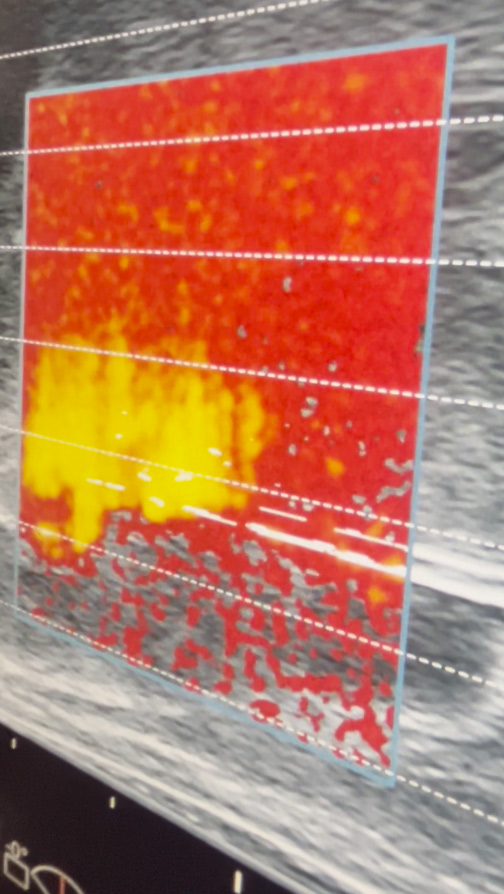
TMA tissue effect under Doppler ultrasound monitoring.

TMA tissue effect under Doppler ultrasound monitoring.

A new paradigm in prostate cancer treatment

Many patients with small, focal prostate cancer lesions are still unnecessarily subjected to radical surgery or radiotherapy. TMA offers the possibility of deferring radical treatment by as many as several years, while maintaining quality of life under active disease monitoring.

MD STEFAN W. CZARNIECKI

This is a true paradigm shift in prostate cancer treatment, because we treat only the diseased fragment, leaving the rest of the prostate untreated — which fundamentally distinguishes this method from radical treatment.

Who is TMA for?

The therapy is intended for patients:

  • of any age
  • who wish to maintain a high quality of life
  • who are not eligible for surgery or do not wish to undergo radical treatment

Technology and expertise

TMA uses microwave energy to heat tissue to a temperature that causes irreversible protein denaturation and cancer cell necrosis.

The method has been studied at centres in Italy, Belgium, France and Hong Kong, where its high local oncological efficacy, safety and excellent patient tolerability were confirmed. Like the HIFU method, it is not yet included in European Association of Urology guidelines as a treatment standard. In selected cases, however, it is used successfully — and crucially, it does not preclude the option of subsequent conventional treatment.

MD, PHD MAREK FILIPEK

In Poland, TMA procedures will be performed at LUX MED Carolina Hospital by the following team:

  • MD, PhD Marek Filipek
  • MD Stefan W. Czarniecki
  • MD Marek Zawadzki
This is one of the most experienced targeted therapy teams in Central Europe — physicians with over 15 years of experience in HIFU, HoLEP and other targeted prostate treatment techniques.
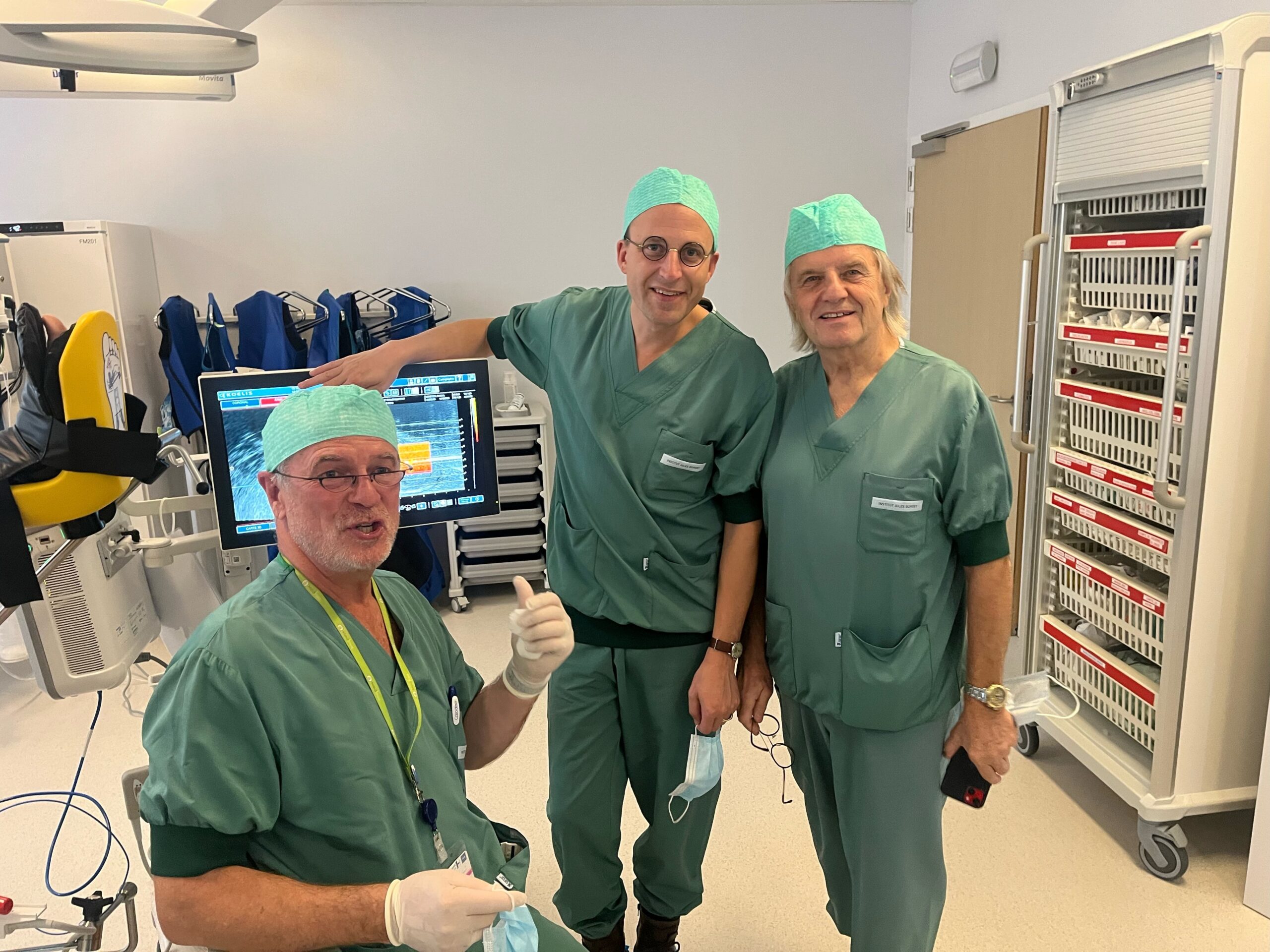
TMA training at Institut Jules Bordet — Prof. Alexandre Peltier, MD Stefan W. Czarniecki and MD...

TMA training at Institut Jules Bordet — Prof. Alexandre Peltier, MD Stefan W. Czarniecki and MD, PhD Marek Filipek.

Targeted Microwave Ablation (TMA) is a groundbreaking method that combines the precision of fusion diagnostics with microinvasive treatment. It gives patients the option of targeted removal of a prostate cancer focus without radical surgery, minimises post-operative complications and offers the chance to preserve full quality of life.